You want your Navarre Beach place to feel like a retreat, not a to-do list. Salt air, sandy feet, and summer storms can turn high-maintenance choices into headaches fast. With the right materials and smart layout moves, you can design a condo or townhome that stays beautiful with far less work and holds its value when you are ready to sell. This guide walks you through the coastal specifics that matter in Santa Rosa County and gives you a practical plan to create an easy-care escape. Let’s dive in.
Know your coastal context
Navarre Beach lives with long, humid summers and plenty of sun and rain. That mix encourages mold and speeds up wear on finishes, so your specs should focus on moisture control and UV stability. Hurricane season runs from June 1 to November 30, with a late-summer peak, so plan around storm prep and recovery rhythms that fit your lifestyle and travel schedule. You can confirm the season timing and advisories through the National Hurricane Center’s current guidance at the National Hurricane Center.
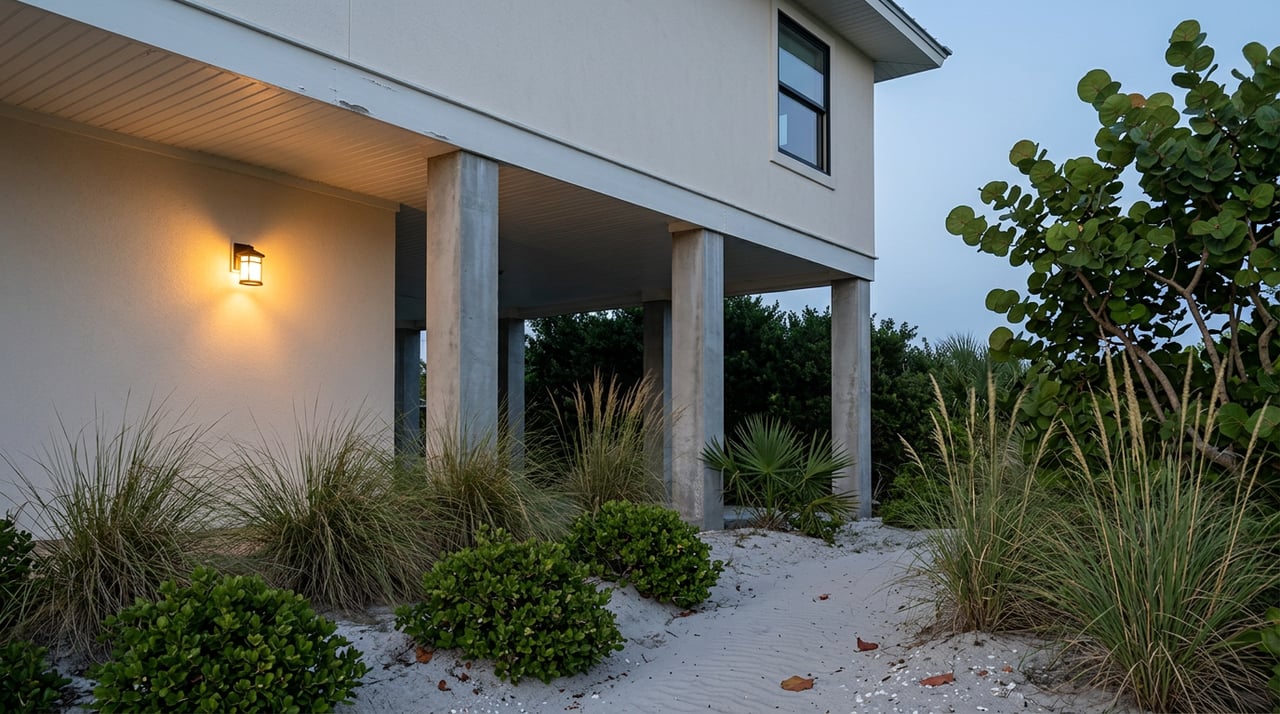
Many beach properties sit in FEMA coastal zones that affect what you can build or store near the ground. Before you choose finishes or plan storage for boards, bikes, or beach carts, check your address on the FEMA Flood Map Service Center. For condos and townhomes, read your association documents so you know what is yours versus what is a common element. Florida Condominium law provides the framework, and you can review the statute for background at the Florida Senate’s Chapter 718.501.
Exterior choices that last
Corrosion-smart metals
Salt accelerates metal corrosion near the surf. For exterior railings, exposed screws, latches, and door thresholds, specify marine-grade 316 stainless for the best resistance to pitting from chlorides. Research shows 316 stainless outperforms 304 in coastal settings, especially anywhere spray or wind-driven salt collects. If you are weighing metal options, start with the science behind 316 in coastal use from peer-reviewed work at MDPI.
Wind-hardened roofs
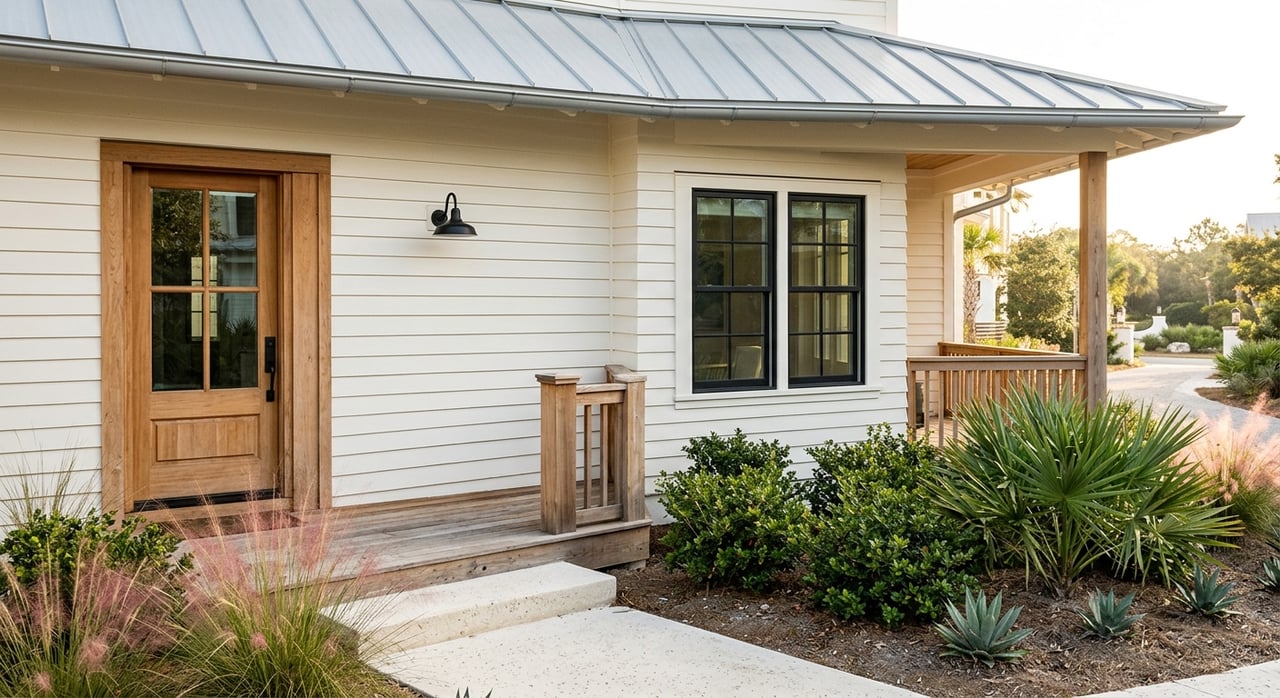
If you own or are evaluating a townhome, prioritize a sealed, impact-rated roof system with coastal-grade flashings and corrosion-resistant fasteners. Wind-hardened roof assemblies reduce water intrusion and repair costs during severe weather. Industry guidance on resilient, storm-ready construction is summarized by ULI’s overview of coastal risk and roof hardening at ULI Developing Resilience.
Decks and railings
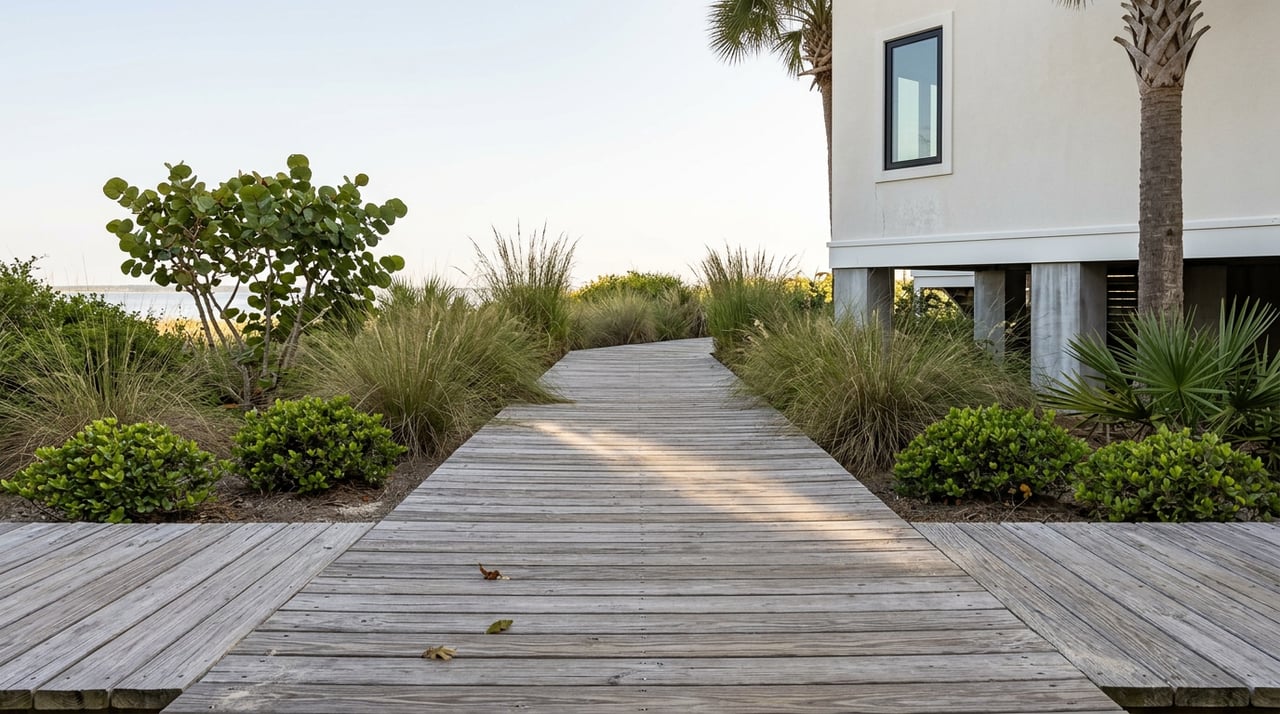
For balconies or deck surfaces, composite systems cut down on annual upkeep. Capped composite decking resists rot and splintering and only needs occasional soap-and-water cleaning. You can review low-maintenance performance notes in the Trex composite decking FAQ. For railings, powder-coated aluminum with AAMA-rated finishes or 316 stainless hardware gives you a clean look with strong salt resistance.
Windows and doors for storms and savings
Impact-rated windows and doors improve safety, reduce the need for last-minute boarding, and may help with the wind portion of insurance when documented in a wind-mitigation inspection. If you are in a condo, shutters that meet Florida approvals can be a good alternative if full impact glass is not feasible. Always keep product approval paperwork and installation documentation so you can capture potential credits during your next inspection. For inspector resources and wind-mit details, start at Citizens Property Insurance’s qualified inspectors page.
Interiors built for sand and humidity
Flooring that forgives sand
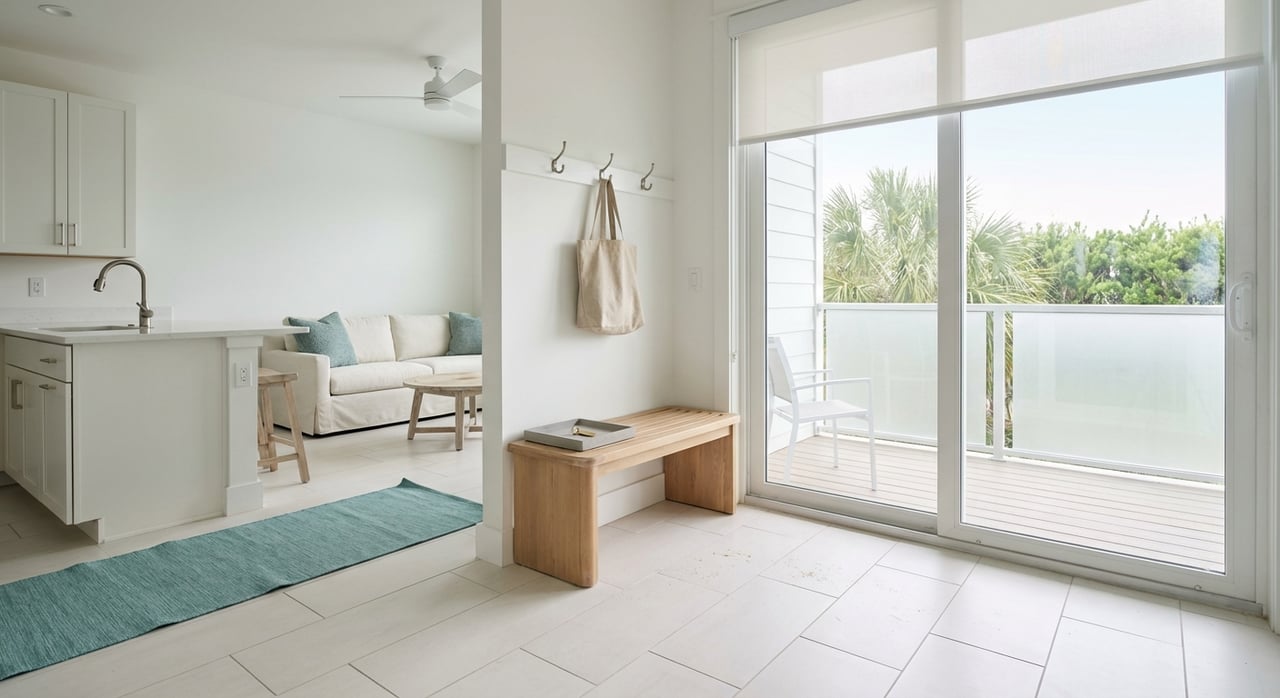
Porcelain tile is the workhorse for entries, kitchens, and baths. It is impervious, abrasion resistant, and easy to mop after a beach day. Large-format tiles with narrow grout joints cut down on scrubbing and help sand sweep right out the door. To see how porcelain is defined for performance, review the standards referenced by the Tile Council of North America.
Warmth with waterproof LVP
If you prefer a softer, warmer feel underfoot in bedrooms or living areas, choose a waterproof rigid-core LVP. Look for proven UV fade resistance and a warranty that addresses coastal installations. Pair it with tile at the main entry so grit stays on a surface you can quickly clean.
Kitchens and baths that shrug off moisture
Select non-porous countertops like engineered quartz to avoid frequent sealing. In baths and laundry rooms, specify water-resistant cabinet cores, such as marine-grade plywood, and durable factory finishes. Use simple, well-ventilated trim details that are easy to wipe down.
Furnishings that stand up to salt and sun
Inside sunrooms or on covered balconies, use solution-dyed performance fabrics that resist fading and mildew. Choose quick-dry cushion cores and removable covers so you can rinse and refresh between stays. In main living zones, skip wall-to-wall carpet and rely on washable, low-pile indoor-outdoor rugs with quick-drying pads. For window coverings, roller shades with aluminum or PVC components avoid warping and are easy to clean in a humid climate.
Layout moves that cut cleanup
Entry sand control
Create a small “drop zone” just inside the door with durable tile, racks for sandals, and hooks for towels and gear. Built-ins or baskets here reduce how much grit travels deeper into the home. A bench with hidden storage makes quick turnover between guests or visits much easier.
HVAC and humidity management
A comfortable, low-maintenance retreat starts with good moisture control. Maintain indoor relative humidity below about 60 percent to reduce mold risk and protect finishes. If your system struggles during muggy weeks, consider a dehumidifier or an HVAC upgrade with stronger latent capacity. For health and moisture guidance, see the EPA’s overview on mold and humidity.
Outdoor rinse station
A simple outdoor shower or hose-down area with proper drainage keeps sand out of your floors and plumbing. If you are in a condo or townhome community, check association rules before adding new exterior fixtures. Choose corrosion-resistant fittings to keep the rinse area looking clean.
A simple maintenance rhythm
- Weekly when occupied: Rinse railings and outdoor furniture with fresh water, sweep entries, and empty AC or dehumidifier pans. Quick rinses slow corrosion and keep grit under control.
- Pre and post hurricane season: Test shutters or confirm impact windows operate smoothly, schedule an HVAC tune-up and coil cleaning, and look over roof flashings or balcony surfaces. Keep your latest wind-mitigation documents on hand for insurance updates.
- Annually: Inspect exterior fasteners and hardware, replacing any corroded items with 316 stainless. Review balcony membranes and sealants, and refresh protective coatings as needed. Revisit insurance coverage and mitigation credits so your policy matches current features.
Design for value and easier resale
Buyers in coastal markets often respond to features that signal lower risk and easier ownership. Impact-rated openings, documented wind-mitigation inspections, composite decking, and a wind-hardened roof package are clear wins they can see and verify. Florida’s wind-mit inspection process is the standard way to document and potentially earn credits on insurance, which many buyers view as a long-term cost reducer. For a plain-English overview of the form and process, see the resource at Wind-Mitigation Form. Resilient, well-documented choices also align with guidance on storm-ready construction summarized by ULI Developing Resilience.
Your Navarre Beach design checklist
- Metals and hardware: 316 stainless for exposed locations, and AAMA-rated powder coat on aluminum.
- Decking and rails: Capped composite decking with ventilated structure and corrosion-resistant fasteners; simple rail profiles for easy rinsing.
- Openings: Impact-rated windows and doors or tested shutters with Florida approvals and saved paperwork.
- Flooring: Porcelain tile at entries, kitchens, and baths; waterproof rigid-core LVP for warmth elsewhere.
- Fabrics: Solution-dyed performance textiles, quick-dry cushion cores, and removable covers.
- Moisture control: Target indoor RH below 60 percent and keep condensate lines clear.
- Sand control: Defined entry with storage, washable rugs, and an outdoor rinse.
Next steps before you order a sofa
- Verify your FEMA flood zone and base flood elevation so storage, mechanicals, and finishes match risk at the FEMA Flood Map Service Center.
- Read your condo or townhome documents to confirm which items are the association’s responsibility and which are yours. For context, see the Florida Condominium statute.
- For impact products and hurricane-related upgrades, save product approvals and installation records, and plan a wind-mit inspection through resources like Citizens Property Insurance’s qualified inspectors.
Ready to tailor a Navarre Beach retreat that looks great, lives easy, and shows strong when you choose to sell? Reach out to Peggy Braun for design-forward guidance, local contractor referrals, and a plan to align your finish choices with long-term value.
FAQs
What are the best low-maintenance floors for a Navarre Beach condo?
- Porcelain tile in entries, kitchens, and baths plus waterproof rigid-core LVP in living and sleeping areas gives you sand resistance, simple cleaning, and comfort underfoot.
Do impact windows reduce storm prep and help insurance in Navarre Beach?
- Yes. Impact-rated openings cut pre-storm boarding tasks and may help with the wind portion of insurance when documented during a wind-mitigation inspection; always keep approvals and install records.
Which metals hold up best to salt air on balconies and railings?
- Choose marine-grade 316 stainless for exposed fasteners and hardware, and use powder-coated aluminum with quality finishes for railing frames to improve corrosion resistance.
Can I use carpet in a beach condo without constant upkeep?
- Avoid wall-to-wall carpet in main living areas. Use washable indoor-outdoor rugs on hard surfaces so you can hose off grit and keep floors fresh between visits.
How can I control humidity to protect finishes in a coastal condo?
- Maintain indoor relative humidity below about 60 percent by tuning HVAC settings, cleaning coils and drains, and adding a dehumidifier if needed during muggy months.
How do I check if my condo is in a FEMA coastal flood zone?
- Look up your address on FEMA’s Flood Map Service Center to confirm your zone and elevation so you can plan storage, mechanical placement, and finishes accordingly.
In a condo, who maintains balconies and exterior surfaces?
- It depends on your documents. Many associations handle common elements, but you should read your condo declaration and rules to confirm responsibilities before planning upgrades.