Thinking about listing your Gulf Breeze waterfront home but not sure where to start? You want top dollar, smooth showings, and a clean closing, without dragging the process out for months. In the next few minutes, you’ll get a clear, week-by-week plan to prepare, photograph, and launch your property to the right buyers in just 30 days. Let’s dive in.
Why timing matters in Gulf Breeze
Gulf Breeze draws local and out-of-state buyers who love boating, fishing, and coastal living. Activity often builds in late winter and spring, though trends can shift year to year. Check current inventory and recent waterfront sales with the local MLS to guide pricing and launch timing.
Keep hurricane season in mind. NOAA’s Atlantic hurricane season runs June 1 to November 30. You can list during this window, but plan for weather-related rescheduling and added buyer questions about insurance and flood risk. If you are aiming for maximum foot traffic and calmer weather, consider launching before the season intensifies.
What to gather before you start
Buyers of waterfront homes ask detailed questions. Getting documents ready upfront builds confidence and helps you avoid delays.
- Flood and elevation: Pull your flood zone at the FEMA Flood Map Service Center. If you have an Elevation Certificate, add it to your listing packet. If not, consider ordering one early.
- Insurance context: Collect recent homeowners and flood policy information. Buyers and lenders often request this early in negotiations.
- Docks, lifts, and seawalls: Gather permits, repair invoices, and contractor warranties. For permitting and compliance questions, consult the U.S. Army Corps of Engineers Regulatory Program, the Florida Department of Environmental Protection, and Santa Rosa County Building Services.
- Title and access: Confirm riparian rights, any deeded water access, shared dock agreements, and HOA rules. A preliminary title check helps surface easements or boundary issues early.
- Environmental considerations: If shoreline movement or wetlands are present, document what you know. For long-term context, review the NOAA Sea Level Rise Viewer.
- Property records: Verify parcel details and homestead status with the Santa Rosa County Property Appraiser.
Your 30-day Gulf Breeze prep plan
Week 0: Plan and schedule
- Order a comparative market analysis to set an initial pricing strategy.
- Book a licensed pre-listing home inspection and a dock or seawall inspection.
- Pull your FEMA flood map and confirm the status of your Elevation Certificate.
- Build your 30-day calendar. Line up contractors, cleaning, staging, and photography.
Week 1: Tackle safety and structure
- Review inspection results and prioritize safety and structural items first.
- Fix roof leaks, soft or loose deck boards, dock hardware issues, and trip hazards.
- Service HVAC, check water heater age and function, and review electrical and plumbing for corrosion.
- Schedule exterior power washing for siding, decks, walkways, and the dock when the forecast is dry.
- Begin decluttering. Remove personal items and excess furniture to open sightlines to the water.
Week 2: Cosmetic upgrades and curb appeal
- Paint interior walls in a calm, neutral palette. Fresh paint provides fast visual impact.
- Update dated lighting, cabinet hardware, and faucets for a clean, modern look.
- Consider low-cost countertop swaps if your kitchen or baths look tired.
- Trim vegetation that blocks views, clean hardscape, and add simple, salt-tolerant plantings.
- Start on-site staging to highlight indoor and outdoor flow.
Week 3: Photography and listing materials
- Complete staging, then book professional photography. Ask for:
- Bright, wide-angle interiors that showcase views.
- Exterior water-side angles and permitted drone shots when appropriate.
- Twilight images to capture indoor-outdoor living.
- Detail photos of the dock, lift, and seawall.
- Create a digital listing packet with inspection summaries, permits, surveys, HOA docs, elevation certificate, and recent insurance statements if you choose to share them.
- Draft accurate listing copy that highlights verified waterfront specifics and recent repairs.
Week 4: Launch and follow-up
- Go live in the local MLS and syndication channels. Aim for midweek to build early weekend momentum.
- Offer clear showing instructions. Include safe dock access, lift limitations, and boating notes.
- Promote to targeted buyer pools, including out-of-area interest, with strong visuals and a virtual tour.
- Track showings, buyer feedback, and early online metrics. Adjust photos or pricing within 7 to 10 days if needed.
High-ROI projects for waterfront homes
Focus on fast, high-visibility improvements that photograph well and calm buyer concerns.
- Exterior refresh: Power wash, touch up or repaint trim, and secure railings. Clean windows and replace torn screens so water views pop.
- Dock and lift basics: Tighten hardware, replace worn deck boards, verify power and lighting, and ensure safe access.
- Interior polish: Fresh paint, updated lighting, and simple hardware swaps add perceived value without long timelines.
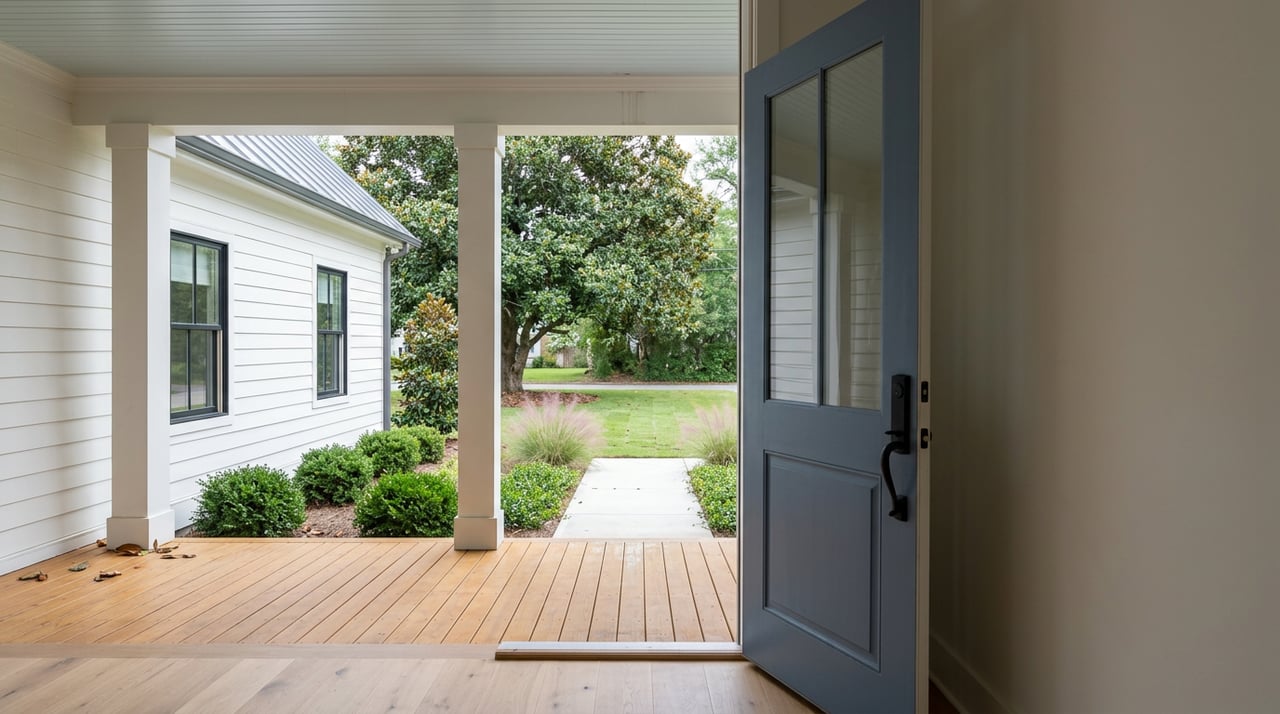
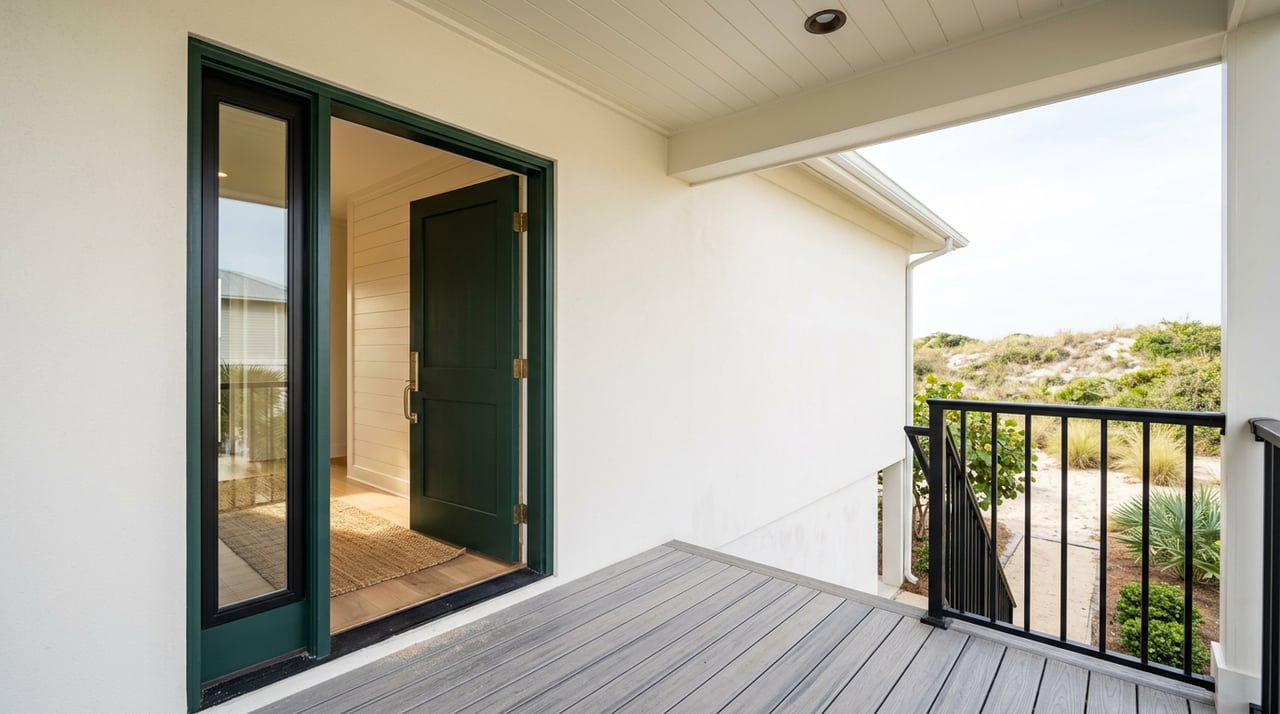
- Entry impact: Refinish or replace the front door and make sure locks and sliders glide smoothly.
- Curb appeal: Clear overgrowth, remove debris, and emphasize low-maintenance landscaping.
Staging and photography that sell the view
Your buyers shop online first. Professional photos and thoughtful staging help your home stand out and reduce time on market.
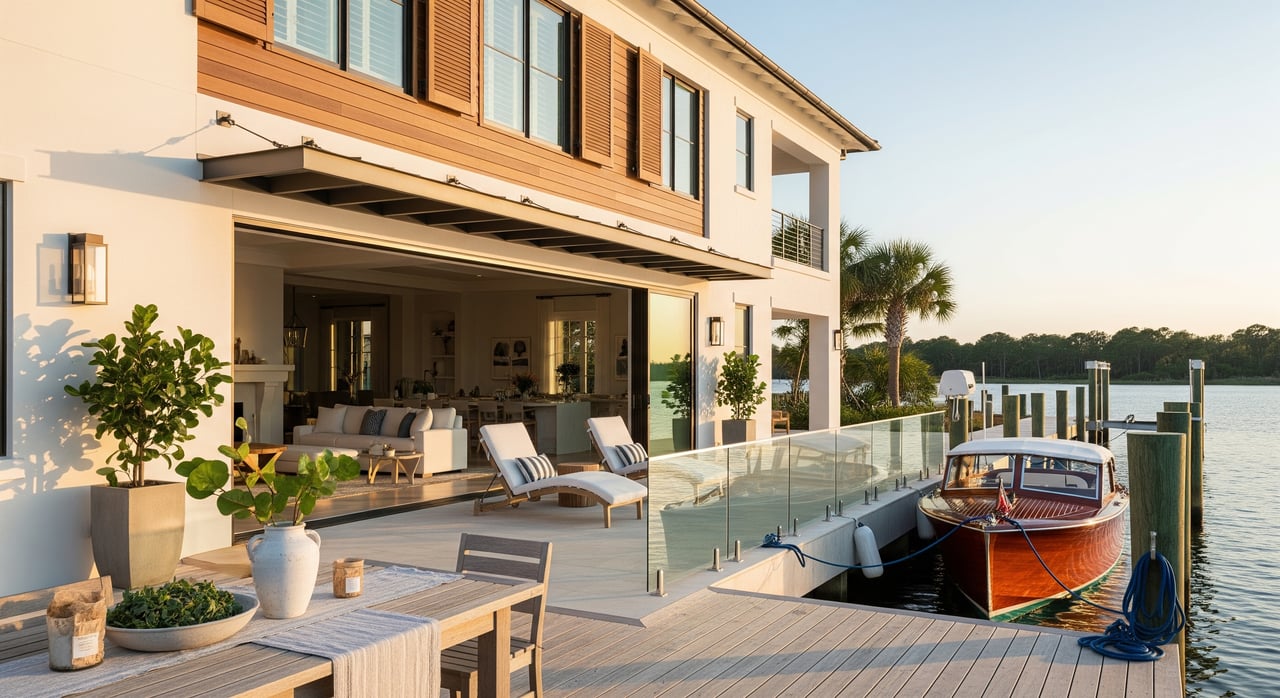
- Stage for flow and light. Use minimal, coastal-appropriate pieces that frame the water and invite indoor-outdoor living.
- Keep window coverings light or open. Avoid anything that blocks the view.
- Capture lifestyle moments. Set a small bistro setup on the deck, arrange loungers facing the water, and highlight storage for boards or tackle.
- Add a floor plan and a virtual tour to help out-of-town buyers understand the layout.
Write listing copy buyers value
Waterfront buyers look for precise details. Be accurate, complete, and transparent.
- Waterfront facts: State the frontage type, depth at the dock if known, presence of a lift, and distance or route to open water.
- Resilience and maintenance: Note impact windows or doors, roof age, documented seawall or dock repairs, and routine servicing.
- Insurance and elevation: Share flood zone and Elevation Certificate status. Provide recent premium information only if current and accurate.
- Documents and restrictions: Disclose known easements, shared shoreline responsibilities, permits, and HOA rules.
- Local lifestyle: Highlight sunrise or sunset orientation and proximity to Gulf Breeze parks, restaurants, and Pensacola access in neutral terms.
Launch strategy and early feedback
Plan for an attention-grabbing first week. Strong visuals, complete documents, and clear showing notes set the tone.
- Choose the right go-live day. Coordinate with your photographer and stager so images and virtual tours post together.
- Offer boating-friendly showings. Provide safe dock instructions and note any limits for lift use.
- Watch buyer behavior. If you see high views but low showings, refresh the lead photos or clarify key features in the description.
- Reassess pricing with real-time MLS data if interest lags. Early adjustments can save days on market.
Ready to sell with confidence?
If you want a swift, polished launch that maximizes your Gulf Breeze waterfront appeal, bring in a partner who blends design insight with local market reach. With renovation and staging advisory, targeted marketing, and full-service seller representation, you can move from prep to pending with clarity. To start your pricing strategy and a custom 30-day plan, connect with Peggy Braun for a free home valuation and design consultation.
FAQs
Do I need an Elevation Certificate before listing a Gulf Breeze waterfront home?
- It is often requested by buyers and lenders. If you do not have one, consider ordering it early so insurance questions are easier to answer.
How do I find my flood zone for a Gulf Breeze property?
- Look up your address at the FEMA Flood Map Service Center and include the result in your listing packet for transparency.
What permits apply to docks, lifts, or seawalls in Santa Rosa County?
- Permitting and oversight can involve the U.S. Army Corps of Engineers Regulatory Program, the Florida Department of Environmental Protection, and Santa Rosa County Building Services.
When is the best time to list a Gulf Breeze waterfront home?
- Many coastal buyers shop heavily in late winter and spring, and NOAA’s hurricane season runs June through November. Align your launch with market activity and weather.
Will repairing a seawall or dock raise my sale price?
- Necessary repairs restore marketability and reduce objections. They can protect value and shorten time on market by removing buyer risk.
How should I stage a waterfront home in Gulf Breeze?
- Keep the focus on the water and indoor-outdoor living. Use minimal, coastal-appropriate pieces and avoid window treatments that block views.
Can I list while completing repairs on a waterfront property?
- You can, but visible issues may deter buyers or slow underwriting. Complete safety and structural items first, then list with clear disclosures.
What local records should I gather before listing in Santa Rosa County?
- Collect parcel data and exemptions from the Santa Rosa County Property Appraiser, flood zone details from FEMA, and any dock or seawall permits and inspections you have on file.