Ever wonder what day-to-day life feels like when the Gulf is your backyard and the mainland is just a bridge away? If you’re picturing coffee on a balcony, sandy toes at lunch, and sunset walks after dinner, Pensacola Beach might be on your mind. You want the lifestyle without surprises about crowds, storms, insurance, or commutes. This guide walks you through the rhythms, housing choices, costs, and local perks so you can decide if island living fits your goals. Let’s dive in.
Pensacola Beach vibe
Location and who lives here
Pensacola Beach sits on Santa Rosa Island in Escambia County, just across the sound from mainland Pensacola. It’s a residential and tourist community with a year-round base plus seasonal visitors. You’ll meet full-time locals, retirees, military families connected to nearby bases, and second-home owners. The overall feel is relaxed and coastal with casual restaurants, beach shops, and services that ebb and flow with the seasons.
Seasonal rhythms to expect
Visitor activity ramps up from late spring through early fall. Peak season runs from Memorial Day to Labor Day, when beaches, parking, and restaurants are busiest. Spring and fall bring shoulder-season visitors, while winters are mild and quieter. The island keeps a friendly pace year-round, but you will notice more energy, longer waits, and higher prices in peak months.
Weather, storms, and safety
Climate at a glance
Pensacola Beach is humid subtropical. Summers are hot and humid with frequent afternoon thunderstorms. Winters are generally mild with rare freezing temperatures. Sea breezes can make warm days feel easier, but you’ll still plan around heat and rain in summer.
Hurricane season basics
Hurricane season runs from June through November, with the highest risk in late August and September. Barrier islands are exposed to wind, storm surge, and flooding, so owners follow local guidance and evacuation orders when issued. For big-picture timing and preparedness tips, review the National Weather Service’s overview of hurricane season.
Wildlife and beach rules
Sea turtle nesting season is usually May through October. Expect lighting rules on beachfront properties and marked nests on the sand. If you buy or rent on the water, learn the basics from the Florida Fish and Wildlife Conservation Commission’s guidance on sea turtles and beach lighting. Shorebirds and dune protection rules may also shape where you walk and set up beach gear.
Homes and housing choices
Condos vs. beach houses
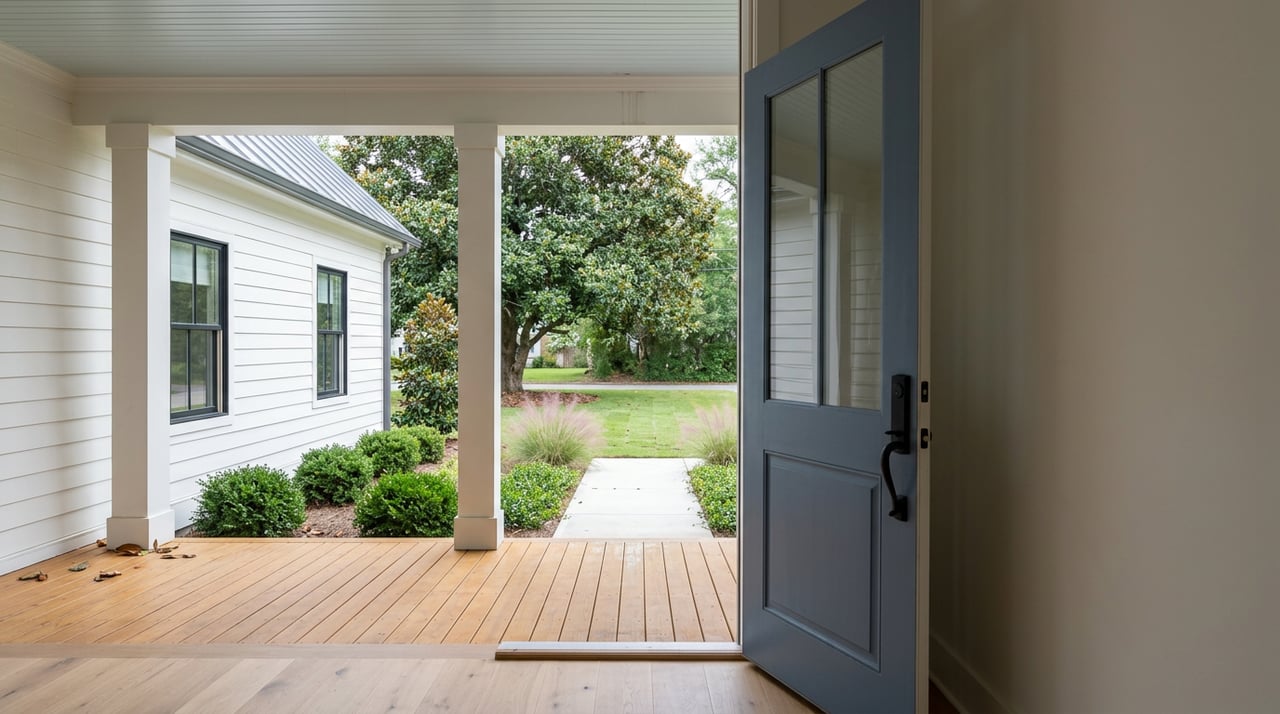
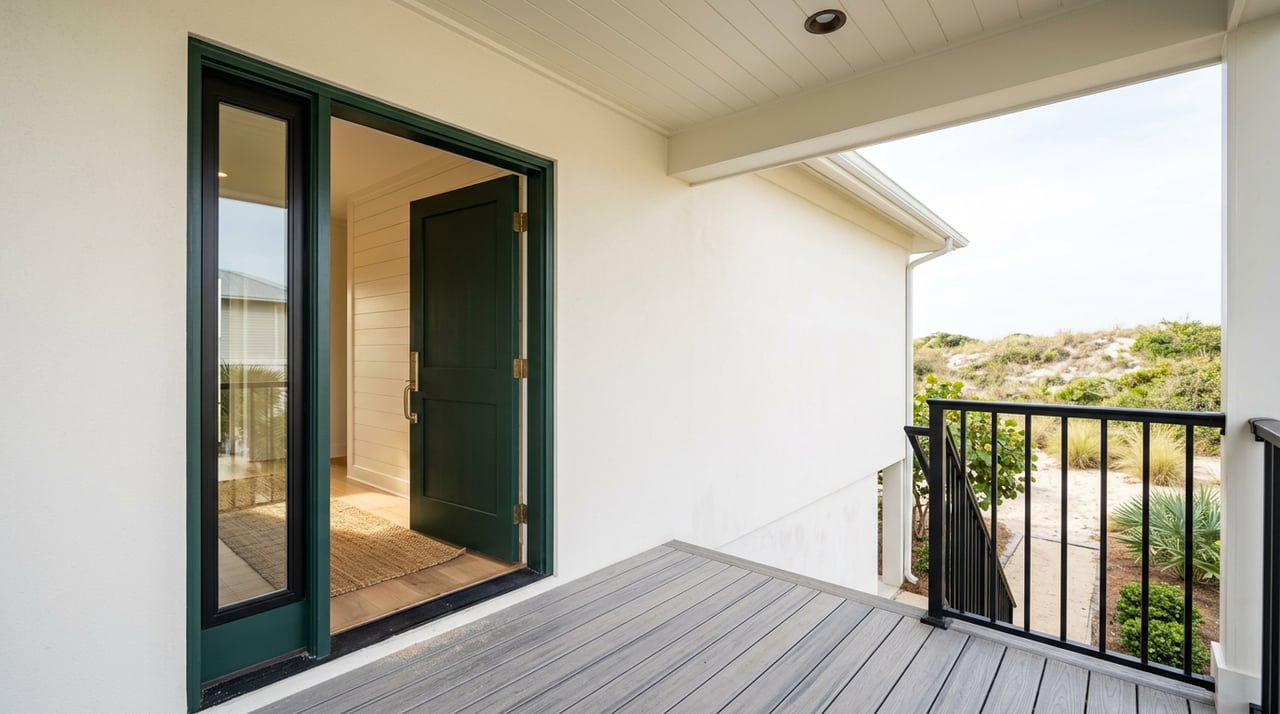
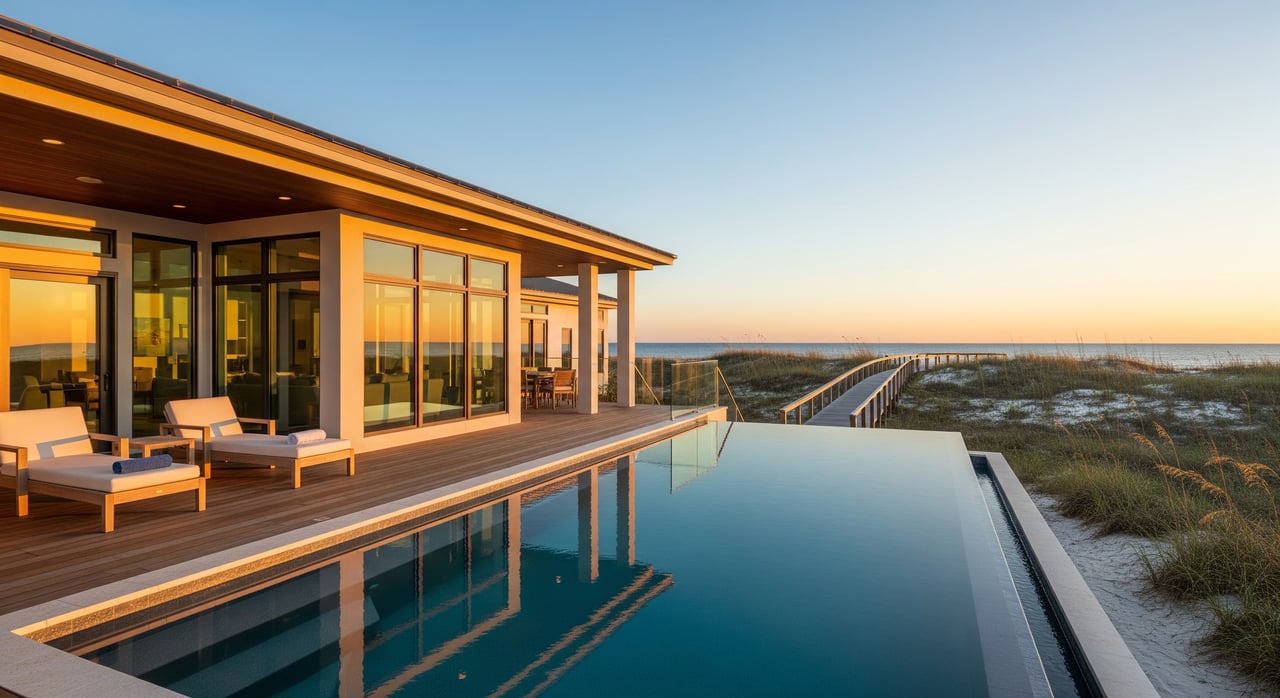
You’ll find two primary choices on the island: condos with Gulf or Sound views and elevated single-family beach houses. Condos often offer amenities and lower maintenance, and many allow short-term rentals. Beach houses are commonly built on pilings with coastal materials and wind-rated features. Both options can see price premiums compared to inland Pensacola because of views and beach access.
Insurance, codes, and permitting
Most island properties fall within FEMA flood zones, and lenders often require flood insurance. Wind coverage is also a key cost. Before you buy, review a property’s elevation, roof age, and wind mitigation features. For flood-zone details, check the FEMA Flood Map Service Center at the FEMA MSC. Renovations and new builds follow coastal codes with added permitting steps, so plan extra time and budget. Escambia County provides building and permitting information through the county website.
Getting around and daily errands
Shopping and essentials
On-island shops and markets cover basics, quick groceries, and dining. For full-service supermarkets, specialty stores, and big-box runs, most residents drive to mainland Pensacola. You can handle most urgent needs on the island, while major errands and medical services are more convenient across the bridges.
Commutes and traffic
Access to the mainland is via bridge and causeway. Commutes to downtown Pensacola or other job centers usually range from 15 to 40 minutes depending on traffic and destination. On busy weekends and holidays, plan for parking congestion near popular beach accesses and restaurants. A car is the most practical way to get around.
Schools and education
Public K–12 schools are served by the Escambia County School District. Many families commute to the mainland for zoned schools. If you have school-age children, confirm assignments and transport times early. Learn more on the Escambia County School District site.
Recreation and local fun
Beaches and protected shoreline
Pensacola Beach is famous for sugar-white sand and clear Gulf water. You’ll find multiple public access points and seasonal lifeguard coverage. For undeveloped stretches and natural dunes, visit the National Park Service’s Gulf Islands National Seashore, which offers tranquil beaches and educational programs.
On-the-water activities
Life here leans into the water. Residents enjoy swimming, paddleboarding, kayaking, sailing, fishing, and boating. Marinas and ramps on the island and nearby mainland make it easy to launch. Offshore charters and inshore trips are popular, and summer water temperatures invite long beach days.
Dining and events
Expect casual, seafood-forward menus and live music during warm months. Larger cultural attractions, theaters, and museums are mostly in Pensacola on the mainland. To see what’s coming up, browse visitor listings and event calendars on Visit Pensacola.
Practical tradeoffs and costs
Living on a barrier island comes with clear pros and cons. You are minutes from the beach, but you’ll plan around storms, crowds, and higher property and insurance costs. Short-term rental activity varies by building and neighborhood, so check HOA rules and local ordinances if you plan to rent. Utilities and internet service are generally reliable, though storms can cause temporary interruptions.
Move-ready checklist
- Confirm the property’s flood zone and elevation using FEMA maps.
- Review wind mitigation features, roof age, and hurricane-rated windows and doors.
- Get quotes for flood, wind, and homeowners insurance before you make an offer.
- Verify HOA, condo, or local rules for short-term rentals if relevant.
- Test-drive your commute during peak and off-peak times.
- Map out school assignments and routes if you have children.
- Decide whether a condo’s amenities or a single-family home’s privacy fits your lifestyle.
Is Pensacola Beach a fit for you?
If you want daily beach access, mild winters, and an active coastal lifestyle, Pensacola Beach delivers. You’ll balance that with seasonal crowds, storm prep, and trips to the mainland for bigger errands. Many residents find the tradeoff worth it for sand, water, and sunsets within easy reach. With the right planning, you can enjoy the best of island living.
Ready to explore properties or fine-tune a plan that matches your goals and budget? Connect with Peggy Braun for local guidance, staging and renovation insight, and a clear path to your next coastal move.
FAQs
Is Pensacola Beach crowded in summer?
- Yes. Peak season from Memorial Day to Labor Day brings higher visitor numbers, busier beaches, and longer waits. Off-season months are typically quieter.
How risky is hurricane season on the island?
- Hurricane season runs June through November. Barrier islands face wind, surge, and flooding risk, and residents follow local guidance and evacuation orders when needed.
Will I need a car to live on Pensacola Beach?
- Yes. A car is the most practical way to handle daily errands on the island and reach supermarkets, hospitals, and other services on the mainland.
What are typical commute times to Pensacola?
- Depending on traffic and your destination, plan roughly 15 to 40 minutes over bridges and causeways. Holidays and events can add time.
Where do families attend school if they live on the island?
- Public schools are managed by the Escambia County School District. Many families commute to mainland schools based on zoning and bus routes.
Are there special rules for wildlife and beach use?
- Yes. Turtle nesting and dune protections guide lighting, beach access, and where you set up on the sand. Follow posted signs and local ordinances year-round.