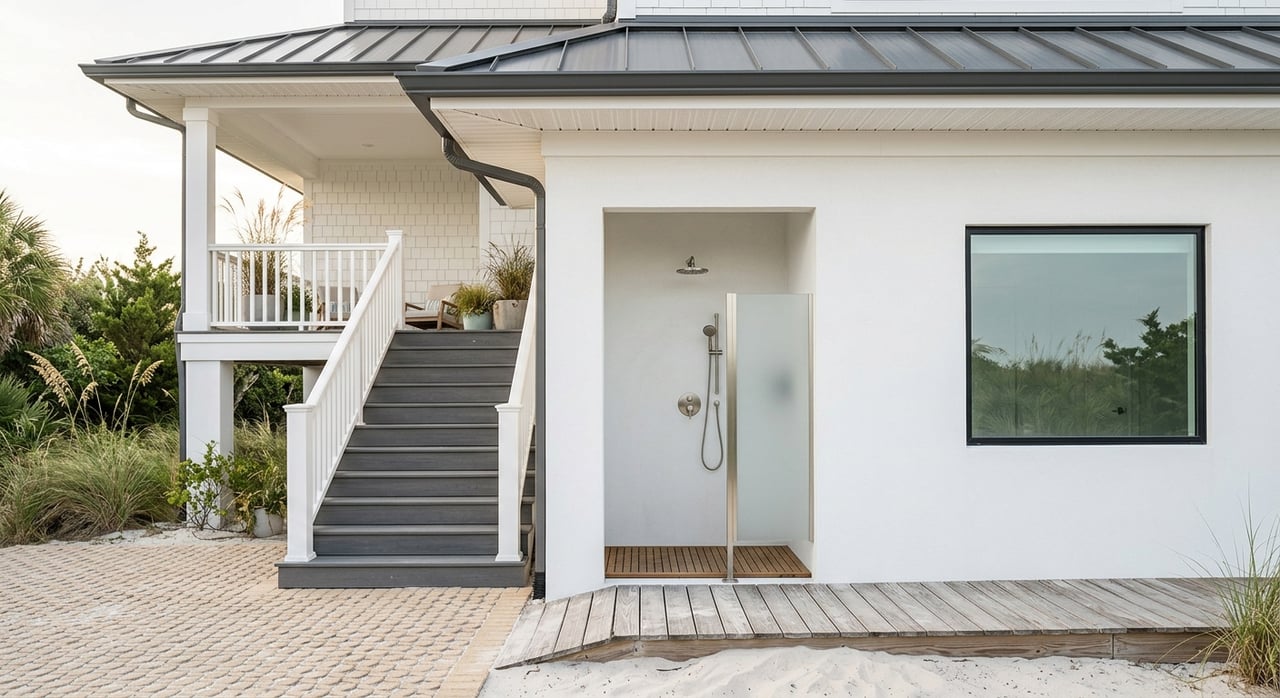
Thinking about a second home on Pensacola Beach? The view may win your heart fast, but the smartest buyers know this market asks different questions than a typical beach town. Before you fall for the balcony, boat slip, or gulf breeze, it helps to understand how ownership, costs, rentals, and upkeep really work here. If you want to buy with more confidence and fewer surprises, this guide will walk you through the essentials. Let’s dive in.
Pensacola Beach Ownership Works Differently
One of the biggest things to know is that Pensacola Beach is not a standard fee-simple beach market. According to official Santa Rosa Island Authority materials, the island is owned by Escambia County and administered by the Santa Rosa Island Authority, with property structured as leasehold rather than land you buy outright.
That matters because when you buy here, the lease is a major part of the purchase. Leases can run up to 99 years, and the details of that lease can affect how you use, assign, sublease, or improve the property. In other words, the documents matter just as much as the layout or the water view.
Escambia County also says the beach is about eight miles long, with roughly 60% set aside for public use or public service and about 40% leased for residential and commercial use. For you as a buyer, that creates a very specific ownership environment that deserves careful review before you commit.
Why the lease deserves close review
On Pensacola Beach, your due diligence should start with the lease terms. You will want to understand what is being leased, what rights transfer with the property, and whether there are restrictions on use, subleasing, or future changes.
If you are considering updates or additions, that review becomes even more important. SRIA states that improvements to leasehold property require its review and approval, even when a county permit might otherwise be exempt.
Budget Beyond the Purchase Price
A second home budget on Pensacola Beach should go well beyond your mortgage payment. The monthly and annual carrying costs can look different here because of leasehold structure, flood exposure, insurance needs, and rental tax rules.
That does not mean ownership is out of reach. It means a document-first and cost-first approach will help you make a better decision.
Homestead exemption usually will not apply
If this will truly be your second home, you should not expect to receive a homestead exemption. Escambia County’s property appraiser states that homestead applies to a primary residence, and a person may have only one permanent residence at a time.
The county also notes that Save Our Homes protection is tied to homestead status. That protection can be void if the home is sold, rented, or ownership changes. For many second-home buyers, that is an important part of long-term tax planning.
Ask about governmental leasehold tax treatment
Because Pensacola Beach sits on county-owned leasehold land, buyers should ask how a specific property is treated for tax purposes. Florida’s Department of Revenue says that a lease of government-owned real property used for residential or commercial purposes can be taxed as governmental leasehold intangible personal property when rental payments are due.
The stated rate is 50 cents per $1,000 of leasehold value. Since tax treatment can depend on the specific lease, this is a smart question to review with your closing attorney or CPA before closing.
Include bridge tolls in your real costs
Small recurring costs count too. Escambia County says the Bob Sikes Toll Bridge currently charges a $1 toll for vehicles traveling to Pensacola Beach and Santa Rosa Island, and TOLL-BY-PLATE adds a monthly administrative fee.
That may not be a deal-breaker, but it is still part of everyday ownership. If you plan to go back and forth often, it belongs in your real-world budget.
Flood Insurance Is Not Optional in Practice
On Pensacola Beach, flood exposure is not a side note. SRIA says every property on Pensacola Beach is subject to flooding.
That is why flood insurance should be treated like a core line item, not an afterthought. FEMA notes that flood insurance is separate from most homeowners policies, and Florida emergency management guidance warns that many flood policies can take up to 30 days to become effective.
Plan early for coverage
If you are financing the property, your lender may have insurance requirements that shape your buying timeline. Even if you are paying cash, you will still want to understand flood and wind coverage before you close.
A good rule is to get insurance quotes early in the process. That gives you a clearer picture of the property’s true carrying cost before you move forward.
Condo Buyers Need Extra Document Review
If you are buying a condo on Pensacola Beach, association documents matter even more than usual. Florida law requires milestone inspections for residential condominium and cooperative buildings that are three or more habitable stories, generally at 30 years of age and every 10 years after that, with a 25-year trigger in some local circumstances.
Florida law also requires a structural integrity reserve study at least every 10 years for those larger buildings. That study must identify major components, remaining useful life, replacement costs, and a reserve funding plan.
What condo dues may really include
On Pensacola Beach, condo dues may cover much more than landscaping and common-area upkeep. They may also reflect reserves, inspection costs, insurance, and potential changes in funding needs.
That can affect both your monthly payment and your future risk of special assessments. Before you make an offer, ask for the current budget, reserve study, latest inspection report, insurance summary, and any pending or anticipated assessments.
Rental Plans Need Triple Verification
Many buyers imagine offsetting costs with short-term rentals. On Pensacola Beach, that idea needs careful verification before you count on the income.
SRIA says owners should contact its Administration and Leasing department if they are considering changing use, assigning, or subleasing property, or if they are unsure about lease terms. That makes rental flexibility highly document-driven.
Check lease, condo rules, and taxes
If you hope to rent the property for short stays, confirm three things before you buy:
- The lease allows the intended use
- The condo declaration or HOA rules allow the intended rental pattern
- You understand the tax registration and filing requirements
Florida’s Department of Revenue says transient rentals of six months or less are subject to state sales tax and county discretionary surtax. Escambia County’s current local transient rental tax rate is 5%, and with Florida’s 6% sales tax plus Escambia County’s 1.5% surtax, the total tax burden on a taxable short-term rental can reach 12.5% before management or platform fees.
The county’s tourist development tax registration form also says filings are monthly, and even zero-revenue months still require reporting. For many second-home owners, that alone is reason to plan carefully before assuming a property will perform like a simple vacation rental.
Barrier-Island Maintenance Takes More Planning
A Pensacola Beach second home can be beautiful and rewarding, but it also needs a more proactive maintenance mindset than a typical inland property. SRIA says the island is subject to coastal storm and flooding hazards, and its Development and Environmental Services department oversees floodplain management, disaster recovery, and redevelopment review.
That means maintenance is not just about fixing things when they break. It is about planning for weather, approvals, vendor response times, and specialized island conditions.
Improvements may need SRIA approval
If you want to renovate, reconfigure, or make exterior changes, do not assume the process will be simple. SRIA states that improvements to leasehold property require its review and approval.
For buyers with a design vision, that is an important checkpoint. It helps to work with inspectors, contractors, and service providers who are already comfortable with SRIA review and barrier-island rules.
Lighting rules affect future upkeep
Lighting is one local detail that many second-home buyers miss. Escambia County’s barrier-island lighting ordinance states that existing Pensacola Beach properties have until January 1, 2028, to comply, and any light directly or indirectly visible from the marine beach must use wildlife-friendly lighting.
That can affect exterior fixtures, beach-facing windows, and future maintenance choices. If you are buying an older home or condo, this is worth checking during due diligence.
Beach rules shape daily ownership
Owning near the sand also comes with everyday practical rules. Escambia County says personal items must be removed from the sand at the end of each day, and unattended items after sunset can be removed by beach crews.
The county also prohibits glass, private grills, bonfires, and general loose beach gear left overnight. If your home will be used by guests, family, or renters, you will want a clear housekeeping and beach-use routine.
Build Your Local Team Before Closing
One of the smartest ways to buy well on Pensacola Beach is to build your local support team early. Because this is a leasehold, flood-prone, barrier-island market, the right professionals can help you spot issues before they become expensive surprises.
A strong buyer team may include:
- A real estate agent who understands Pensacola Beach leaseholds
- A closing attorney or CPA who can review lease-related tax questions
- A property manager, if you will not be local full-time
- A cleaner and maintenance vendors
- HVAC and plumbing professionals
- A restoration company
- A contractor familiar with SRIA review, if updates are planned
This is where local knowledge becomes practical value. The more specialized the market, the more important it is to have the right people in place.
Ask the Unexciting Questions First
It is easy to get swept up by Gulf views, a bright interior, or strong rental potential. But on Pensacola Beach, the best buying strategy is usually to ask the less glamorous questions first.
Start here:
- What exactly is being leased?
- What are the recurring lease and tax obligations?
- If it is a condo, what do reserves and inspections look like?
- What flood and wind coverage will be required?
- What approvals might future improvements need?
- Do the lease and community rules support your intended use?
Once those answers are clear, then you can weigh the fun parts like view, finishes, walkability, and lifestyle fit. That order can save you time, stress, and money.
The Bottom Line for Second-Home Buyers
Pensacola Beach can be a wonderful place to own a second home if you love coastal living and go in with clear expectations. The key is understanding that this is not a typical beach purchase. Leasehold structure, flood exposure, condo obligations, rental rules, and local approval requirements all deserve careful attention.
If you take a document-first, cost-first, and vendor-first approach, you can evaluate opportunities with much more confidence. And if you choose the right property, you can enjoy the beauty of island living with fewer surprises down the road.
If you are thinking about buying on Pensacola Beach and want guidance that blends local market knowledge with a sharp eye for condition, design potential, and long-term usability, connect with Peggy Braun to start your search with a smart plan.
FAQs
What makes Pensacola Beach different from many other second-home markets?
- Pensacola Beach is largely a leasehold market on county-owned land administered by the Santa Rosa Island Authority, so the lease terms are a major part of what you are buying.
What should a Pensacola Beach second-home buyer review before making an offer?
- You should review the lease terms, recurring costs, flood insurance needs, condo documents if applicable, rental restrictions, and any approval requirements for future improvements.
What should condo buyers know about Pensacola Beach ownership costs?
- Condo costs may reflect reserves, inspections, insurance, and possible special assessments, so it is important to request the budget, reserve study, inspection reports, and insurance summary.
What should buyers know about short-term rentals on Pensacola Beach?
- Short-term rental use should be confirmed through the lease, condo or HOA rules, and tax registration requirements, because taxes and reporting obligations can materially change the numbers.
What maintenance issues are important for Pensacola Beach second homes?
- Flood exposure, storm planning, SRIA approval for improvements, wildlife-friendly lighting compliance, and day-to-day beach rules are all important parts of maintenance planning.
What professionals can help with a Pensacola Beach second-home purchase?
- A strong local team may include an agent familiar with leaseholds, a closing attorney or CPA, a property manager, cleaners, trade vendors, and a contractor who understands SRIA review.