Selling a historic Pensacola home is different from listing a newer build. You are balancing character, coastal conditions, and local preservation rules while trying to win modern buyers. If you get the sequence right, you can protect what makes your home special and still sell quickly and confidently. This guide shows you what to fix first, what to refresh, and how to market your story so buyers fall in love. Let’s dive in.
Confirm district status and approvals
If your home sits in a Pensacola preservation district, exterior changes will likely need design review. Start by checking the City’s Preservation District Design Guidelines and whether a Certificate of Appropriateness or Architectural Review Board review applies to your plans. Reviewing these early helps you avoid delays and keeps your project on the right side of local rules.
- See the City’s Preservation District Design Guidelines for what is considered compatible work and how to apply.
- Explore the City of Pensacola Historic Preservation program for contacts and process overviews.
- Connect with neighborhood groups such as the North Hill Preservation Association for examples, trusted contractors, and color guidance.
Pensacola’s historic districts include homes in styles like frame vernacular, Folk Victorian, Queen Anne, Mediterranean Revival, and bungalows. The city guidelines help you preserve these defining features while preparing to sell.
Preservation District Design Guidelines | City Historic Preservation overview | North Hill Preservation Association
Tackle critical repairs first
Buyers pay attention to structure and systems before finishes. Address these items early and keep written reports to build trust.
- Roof, gutters, porches, flashing, and chimneys: fix leaks, soft spots, or sagging. Consider a short pre-listing roof inspection you can share with buyers.
- Foundations and grading: correct any drainage that lets water sit near the house, especially on raised pier or crawlspace foundations.
- Electrical, plumbing, and HVAC: ensure safe, working condition. Service equipment and keep receipts or inspection notes.
For Florida homes, termites are a persistent risk. Order a WDO/termite inspection and save any treatment records so buyers see documented care. Learn more about Florida termite types and prevention from the UF/IFAS Extension resource on termite identification and control.
- Reference: UF/IFAS termite resource
Manage moisture and flood considerations
Our humid, coastal climate makes moisture control essential. Keep gutters working, slope soil away from the foundation, and maintain ventilation to protect woodwork and subfloors. If your property is in a flood zone or has had flood damage, factor county rules into any pre-listing projects.
- Escambia County’s floodplain guidance outlines the “substantial improvement” threshold, sometimes called the 50 percent rule. Review it before planning major work.
- Use FEMA’s homeowner flood-risk tools to understand your property’s flood zone and buyer questions that might come up.
Resources: Escambia County floodplain rules | FEMA homeowner flood risk
Honor original features buyers love
Original elements often carry the most value in historic Pensacola homes. Floors, staircases, mantels, built-ins, porch balustrades, and trim set your property apart. Clean and repair these, then document their condition with clear photos and simple estimates for any needed touch-ups.
Windows deserve special attention. The National Park Service recommends repairing and weatherizing historic wood windows rather than replacing them outright when feasible. Properly repaired windows, paired with storms or interior storms, can perform well while preserving your façade’s look. If a few units truly need replacing, choose designs that match the original profiles and patterns.
Make smart, high-ROI updates
Once safety and structure are handled, invest in updates that create a strong first impression without erasing character.
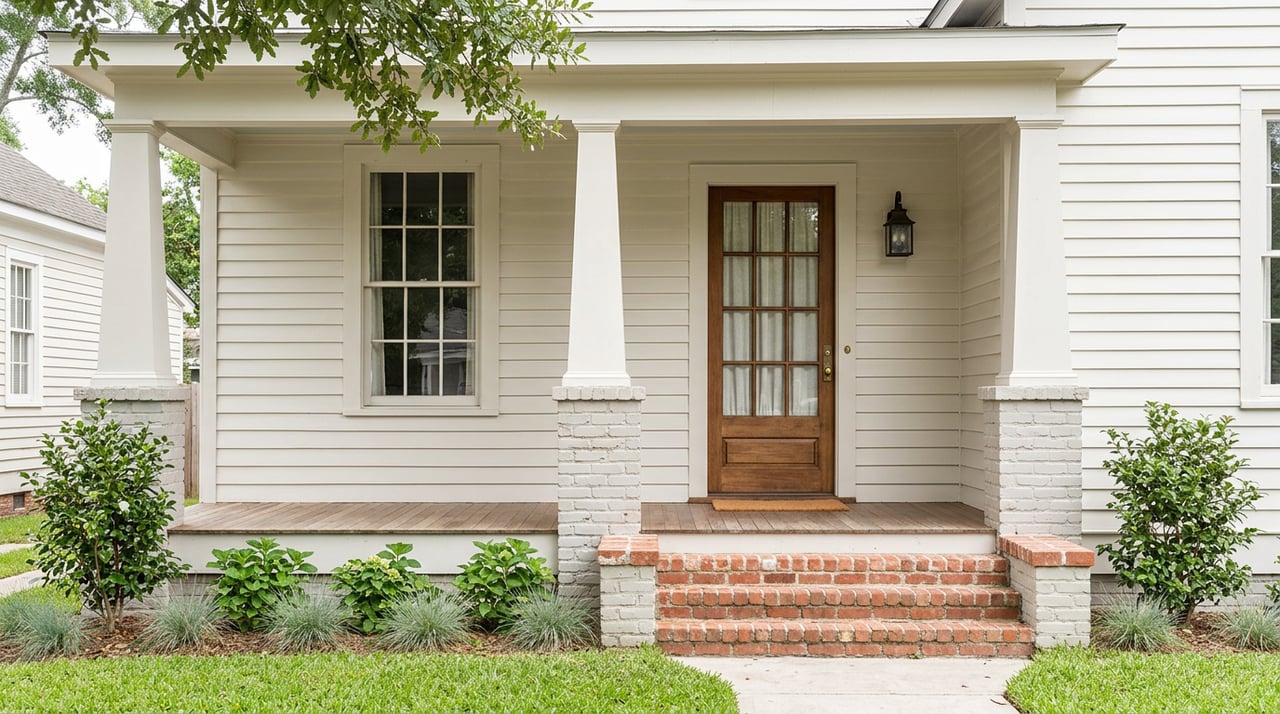
- Curb appeal: refresh the front porch, entry lighting, landscaping, and walkways. Exterior improvements have historically delivered solid payback in industry Cost vs. Value studies.
- Clean, neutral interiors: deep clean, repair plaster and trim, and use fresh, neutral paint so original details shine.
- Targeted kitchen and bath refreshes: repaint or reface cabinets, update hardware and counters, replace dated fixtures, and improve lighting. Midrange work often outperforms full gut renovations for resale.
- Energy and comfort: add attic insulation and service HVAC. Provide invoices to reassure buyers.
Reference: Cost vs. Value project data
What to avoid before listing
Certain changes can hurt value or trigger approval issues.
- Removing defining elements like original stairs, molded trim, or porches.
- Building additions that overwhelm the roofline or scale without required approvals.
- Installing low-quality “historic look” materials, such as cheap vinyl windows or faux trim.
When in doubt, follow the Secretary of the Interior’s Standards: keep distinctive materials, repair instead of replace when possible, and make new work compatible and reversible.
Stage and market the story
Present your home so buyers feel the character and the care.
- Keep period features visible: pull back heavy drapery, remove rugs that hide wide-plank floors, and avoid overfilling rooms so proportions read clearly.
- Use warm neutrals and simple modern touches in lighting and hardware to show livability without competing with historic elements.
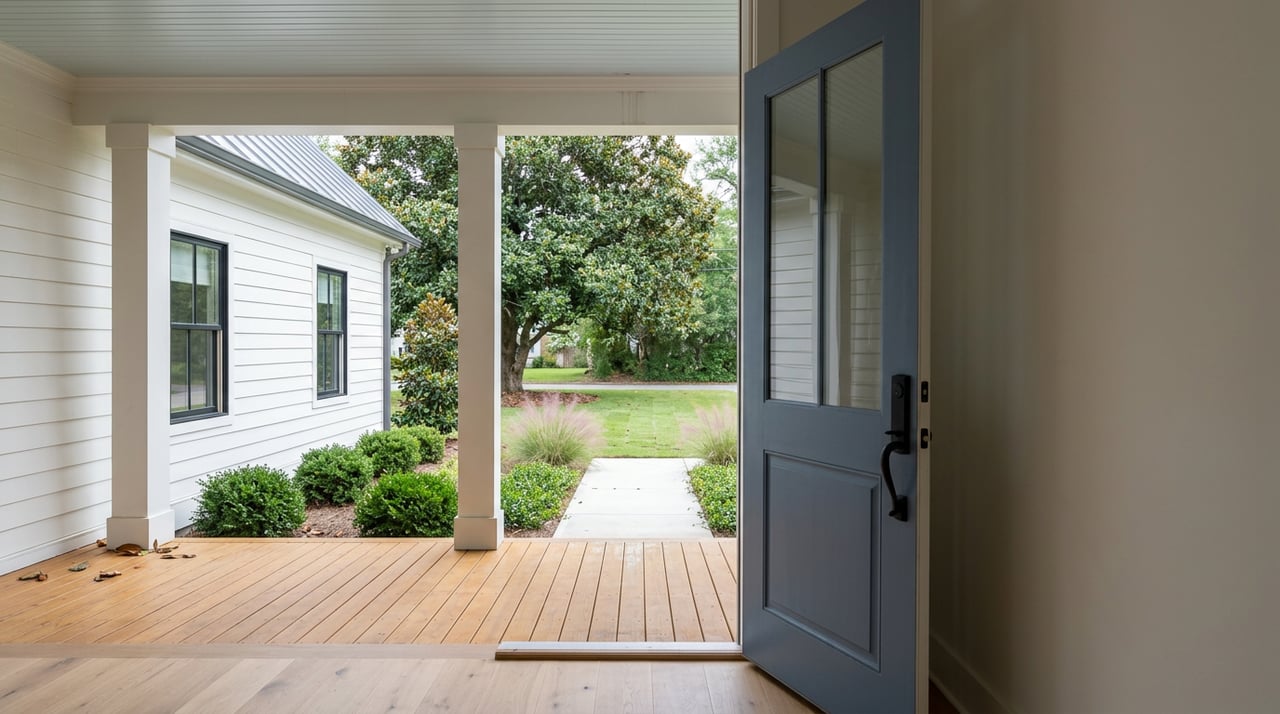
- Highlight porches and outdoor living. Stage the porch like an extra room, which Pensacola buyers value.
- Invest in high-quality photos. Exterior shots at golden hour and interior wide angles help showcase details.
- Create a short feature packet with notable details, dates, and recent system service. Balance your listing copy with both character and system updates.
Permits, incentives, and paperwork
When planning visible exterior work, confirm whether your home is in a local preservation district and file the required applications before starting. Early contact with the City’s preservation staff can simplify approvals.
- Local rules and process: City Preservation District Design Guidelines
If your property is income-producing and listed or certified as historic, there are federal rehabilitation tax incentives, but owner-occupied single-family homes typically do not qualify. Review the federal program overview for criteria and consult early if you think a project might apply.
Paperwork to assemble for buyers:
- Pre-listing inspection reports: roof, structural, HVAC, and a WDO/termite report.
- Permits and invoices for major work, including any historically sensitive repairs.
- Before-and-after photos and a simple history sheet that explains key features.
Your pre-listing checklist
- Confirm district status and any ARB requirements with the City of Pensacola.
- Order a roof and structural inspection, termite/WDO inspection, plus HVAC and electrical safety checks. Keep written reports.
- Complete curb appeal and safety repairs: porch rails, steps, roof leaks, gutters, and drainage improvements.
- Repair and weatherize historic windows where practical. Document methods and materials.
- Refresh interiors with clean, neutral paint and modest kitchen/bath updates if needed.
- Book professional photos and prepare a feature packet with permits, reports, invoices, and a short home history.
Work with a design-forward local advisor
You only get one first impression. With the right sequence of repairs, preservation-smart updates, and thoughtful staging, you can protect your home’s story and still compete in today’s market. If you want a clear plan, pricing guidance, and hands-on presentation support, connect with Peggy Braun for a free home valuation and design consultation.
FAQs
What makes a historic Pensacola home stand out to buyers?
- Original features like wood floors, mantels, built-ins, and intact porch details, paired with documented system care and recent service records.
Do I need approval before painting or repairing my exterior in a district?
- In local preservation districts, visible exterior changes often require review under the City’s Preservation District Design Guidelines, so confirm scope and apply before starting.
Should I replace old wood windows before listing?
- Not automatically; NPS guidance favors repairing and weatherizing historic wood windows and using storms where needed to preserve character and performance.
What inspections should I complete before listing a historic home?
- Roof and structural checks, HVAC and electrical safety, and a WDO/termite inspection, with written reports you can share with buyers.
How do floodplain rules affect pre-listing renovations in Escambia County?
- If work meets the substantial improvement threshold, additional floodplain requirements can apply, so review county guidance before planning major upgrades.